
German Shepherd (Nemecky ovcak)
The German Shepherd has dominated Czech registration statistics for over three decades, and for good reason. This breed's combination of intelligence, loyalty, and versatility makes it suitable for a wide range of owners, from families with children to individuals seeking a capable working dog.
In the Czech context, German Shepherds adapt well to the continental climate with cold winters and warm summers. Their double coat provides insulation during November through March, though they shed heavily twice a year. Apartment living is feasible only if the owner commits to at least two hours of daily exercise, including both physical activity and mental challenges like scent work or obedience drills.
The Czech Republic has a particularly strong tradition of breeding working-line German Shepherds. Breeders registered with CMKU maintain rigorous health testing protocols, including mandatory hip and elbow dysplasia screening, which prospective buyers should always verify before purchasing.
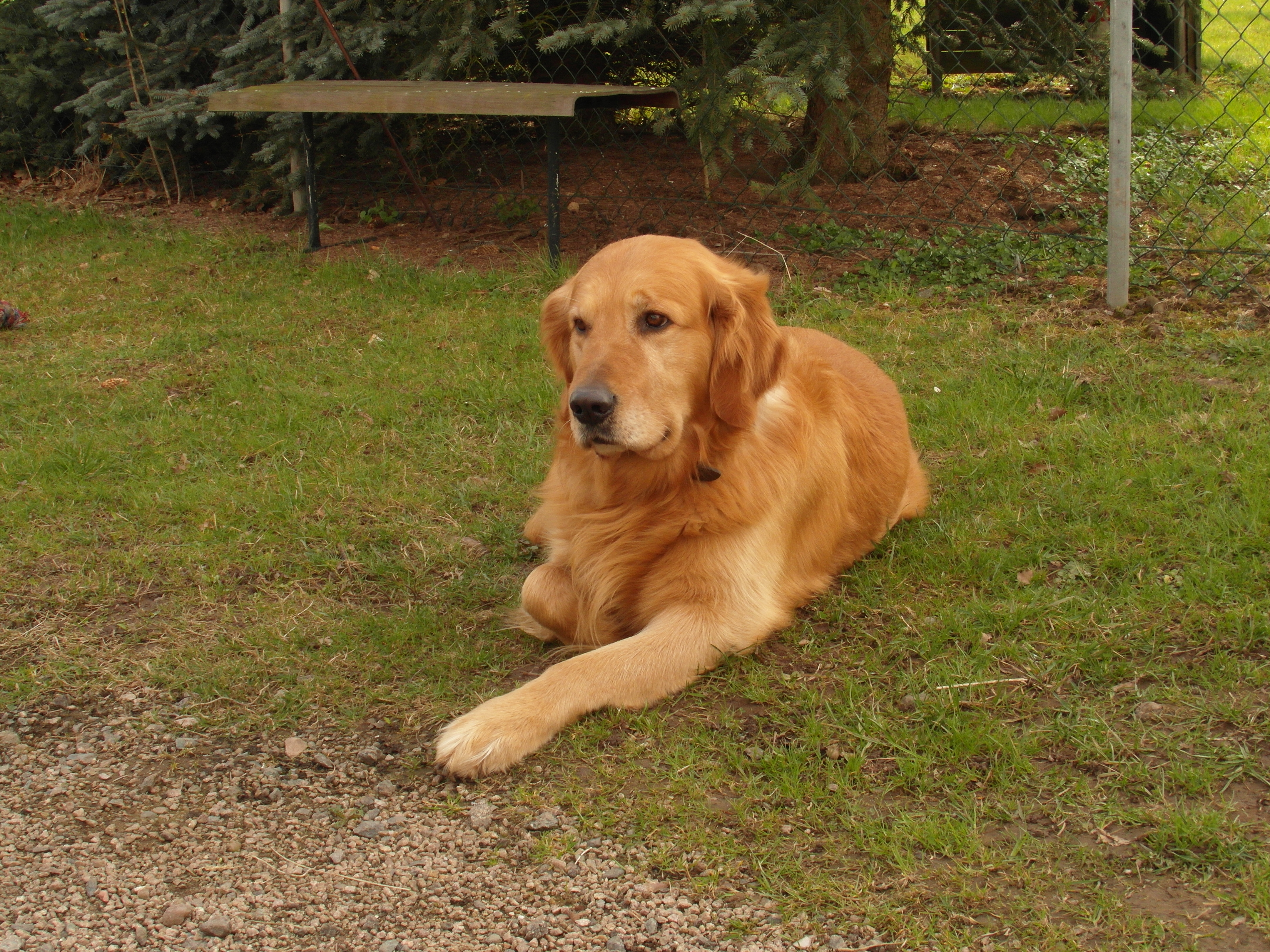
Golden Retriever
Golden Retrievers have experienced a steady rise in registrations across the Czech Republic over the past decade. Their gentle, patient temperament makes them exceptionally well-suited to families with young children, and their trainability has led to increased use as therapy and assistance dogs throughout Czech hospitals and schools.
One practical consideration for Czech owners: Goldens are prone to obesity if not exercised sufficiently, and the rich Czech diet culture (yes, some owners share table scraps) can exacerbate this. Maintaining a structured feeding schedule with veterinary-approved portions is essential. Regular swimming, which many Czech rivers and reservoirs offer, provides excellent low-impact exercise for this water-loving breed.
Health screening is critical when purchasing from a Czech breeder. Golden Retrievers have elevated risks for hip dysplasia, certain cardiac conditions, and cancer. Reputable breeders affiliated with CMKU will provide documentation of OFA or PennHIP evaluations for both parents.

Border Collie
The Border Collie's popularity in the Czech Republic is strongly tied to the growing agility and dog sport community. Czech agility teams regularly compete at European and World Championship levels, and Border Collies dominate these competitions for good reason. Their extraordinary intelligence, speed, and desire to work make them unmatched in canine sports.
However, this breed demands more from its owner than perhaps any other. Without adequate mental stimulation and physical exercise, Border Collies develop problematic behaviors: obsessive chasing, destructive digging, and excessive barking. They are categorically unsuitable for sedentary owners or those working long hours away from home.
For active Czech owners who hike the Bohemian trails, participate in canicross, or have access to large gardens, a Border Collie can be an extraordinary companion. The breed's moderate size also makes them more practical for Czech apartment living than larger breeds, provided exercise needs are met.

Labrador Retriever
The Labrador Retriever holds a unique position in the Czech canine landscape. While registrations place it consistently in the top five breeds, Labradors serve dual roles: beloved family companions and the most commonly trained assistance dogs in the country. Czech organizations like Pomocne Tlapky train Labradors extensively for mobility assistance and guide dog work.
For typical Czech households, Labradors bring an easygoing temperament that coexists well with children, other pets, and the frequent visitors common in Czech social culture. Their robust build handles the Czech climate without difficulty, and their love of water makes them ideal companions for summer trips to Czech lakes and swimming spots.
The primary concern with Labradors remains weight management. Their food drive is legendary, and Czech owners must be disciplined about portion control and treat limits. Joint problems, particularly in overweight individuals, represent the most common veterinary concern for the breed in the Czech Republic.

Beagle
Beagles have carved out a solid niche among Czech dog owners, particularly those in smaller apartments who want an active but manageable-sized dog. Their compact build makes them practical for the typical Czech panelak apartment, and their friendly nature ensures smooth interactions with neighbors and other dogs in shared spaces.
What makes Beagles both charming and challenging is their nose. As scent hounds bred for tracking, they will follow an interesting smell with single-minded determination. In Czech parks and forests, this means reliable recall training is absolutely essential before any off-leash exercise. Many Czech Beagle owners invest in long training leads (5-10 meters) as a practical compromise.
Beagles are generally healthy dogs, but Czech veterinarians note that ear infections are the most frequent issue due to their long, floppy ears that trap moisture. Regular ear cleaning after walks in damp or rainy conditions, common throughout much of the Czech year, helps prevent chronic problems.
Need Help Choosing the Right Breed?
Each breed has specific requirements for exercise, grooming, living space, and owner experience. Before committing, we recommend visiting CMKU-registered breeders to meet the dogs in person and discuss your lifestyle honestly with the breeder. Responsible breeders will help match you with the right dog rather than simply completing a sale.